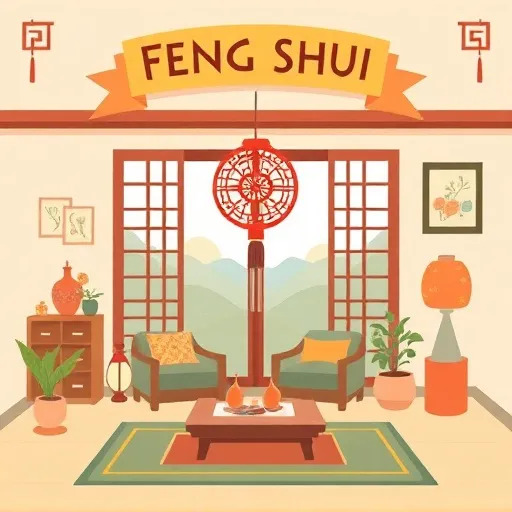
Feng shui as art of
What Is Feng Shui, Really?
At its heart, feng shui is the art of placement—and honestly, that's the simplest way to think about it. The term itself roughly translates to "wind and water," and the big idea behind any solid feng shui home guide is that your physical environment shapes how energy—often called chi or qi—moves through your living space. When that energy flow moves smoothly, life tends to feel smoother too. But when it gets stuck or rushes through too fast, you might notice more stress, fatigue, or just a nagging sense of unease you can't quite put your finger on.
Here's a cool way to look at it: your home mirrors your inner world, and vice versa. A cluttered, chaotic entryway? You'll feel scattered every single time you walk through that door. But a well-placed mirror or a healthy plant in the right corner can completely shift the vibe of a room. That's the feng shui home principle in a nutshell—small adjustments, meaningful impact. And honestly, that's what makes this whole approach so approachable. You don't need to renovate your entire house. You just need a good feng shui home guide and a willingness to experiment.
The Foundational Energy Flow and Chi Principles Behind Every Feng Shui Home Guide
Before diving into room-by-room tips, it helps to understand the foundational concepts—the pillars everything else builds on. Think of these as the feng shui home basics that any decent feng shui home guide should cover first.
Chi should move through your home like a gentle stream—not blocked by clutter, not blasting through like a wind tunnel. A clear, meandering path from your front door through your living space is the sweet spot. If furniture is jammed against doorways or hallways are packed with stuff, energy stagnates. Simple as that.
Then there's the yin and yang balance. Yin represents calm, softness, and rest—think cozy bedrooms and dim lighting. Yang represents activity, brightness, and energy—think kitchens and home offices. A well-balanced feng shui home has both in the right proportions: restful spaces for sleep and recharging, lively spaces for productivity and connection. Any trustworthy feng shui home guide will tell you that ignoring this balance is one of the biggest mistakes people make.
The five elements—wood, fire, earth, metal, and water—are the building blocks of feng shui. Each one corresponds to specific colors, shapes, and materials. Mixing all five creates balance. For example, wood (plants, wooden furniture) supports growth, while water (a small fountain or reflective surfaces) invites calm and flow. A solid feng shui home guide will always emphasize this element mix.
The Bagua Map and Energy Blueprint Tools in a Complete Feng Shui Home Guide
The bagua is an energy map that overlays your home, with each section corresponding to different life areas—wealth, health, relationships, career, and more. You can apply it to your entire floor plan or even a single room. This is one of the most practical tools in any feng shui home guide because it gives you specific areas to focus on instead of guessing.
The bagua divides a space into nine zones. To use it, align it with your front door as the entry point and map out the rest from there. The wealth and prosperity zone? Enhance with wood elements, healthy plants, and the color purple. Fame and reputation territory calls for fire element touches—red accents, candles, bright lighting. Relationships and love benefit from pairs of objects, pink tones, and cozy seating. The center of the home represents well-being—keep it clear and free from heavy clutter. Don't stress about getting the bagua perfect. Use it as a lens to notice which areas feel neglected and give them some intentional attention. That's the whole point of a good feng shui home guide—practical guidance, not perfectionism.
Room-by-Room Feng Shui Home Tips for Entryways, Bedrooms, and Living Spaces
Your front door is considered the "mouth of chi"—the main point where energy enters. Keep it clean, well-lit, and unobstructed. A welcoming entryway sets the tone for the entire house. Add a plant, a small bowl for keys, and a mirror to brighten things up (but avoid pointing it directly at the door, which can push energy back out). This is entry-level feng shui home wisdom that anyone can implement today.
In the living room, arrange furniture to encourage conversation. Avoid pushing all seating against the walls—create a cozy circle or U-shape instead. Declutter the coffee table, bring in natural light, and add plants for that wood element boost. The bedroom? This is a yin space—it should feel calm and restful. Keep electronics out or at a distance, choose soft lighting, and use muted colors. Position the bed against a solid wall in the "commanding position," ideally with a view of the door but not directly in line with it. Avoid mirrors facing the bed, as they can disrupt sleep energy. The kitchen is a fire element space tied to health and prosperity—keep it clean, fix dripping faucets promptly (they're said to leak wealth), and add a plant or bowl of fresh fruit.
For your home office in 2026, position your desk so you have a clear view of the door—this "command position" supports confidence and focus. Keep the space uncluttered, add a task light, and incorporate wood or metal elements. Bathrooms are water-heavy spaces where energy can drain away, so keep drains covered, the toilet lid down, and ventilation strong. A good feng shui home guide always reminds you: small consistent steps beat dramatic overhauls.
Common Feng Shui Home Mistakes and Modern Applications for 2026
Even well-intentioned feng shui home setups can go sideways. Clutter everywhere is the number one energy blocker—if you do one thing from any feng shui home guide, commit to regular decluttering. Too many mirrors in wrong places can amplify chaos. Sharp corners pointed at seating create tension (soften them with plants or fabric). Overloading the bedroom with yang energy—TVs, exercise equipment, work materials—works against rest. And ignoring the entry? That blocks chi from the get-go.
One beautiful thing about feng shui is how adaptable it is. In 2026, practitioners are blending traditional principles with modern wellness trends—biophilic design (bringing nature indoors), smart lighting that mimics natural daylight cycles, and decluttering philosophies that emphasize intentional living. Many interior designers now reference feng shui concepts when discussing space planning, and digital platforms offer home layout tools with energy flow visualization. If you're working with a smart home system, schedule lighting to shift warmer in the evening to support yin energy. Technology doesn't have to conflict with feng shui—it can actually support the principles when used mindfully. That's the modern feng shui home guide approach: tradition meets tech.
Feeling overwhelmed? Start small. Clear your entryway of shoes and mail piles. Declutter one room at a time—begin with the bedroom for maximum impact on rest. Open windows and let fresh air circulate (literally moving chi). Add at least one living plant to your living room or entryway. Reposition your bed or desk to the commanding position. Fix anything broken—dripping taps, squeaky doors, burnt-out bulbs. Add a small mirror to a dark hallway. Use this feng shui home guide as a starting point, not a rulebook. Trust your instincts—if a room feels off, your body is probably picking up on blocked or unbalanced energy before your brain catches up. One cleared corner, one repositioned chair, one healthy plant can begin to shift the energy of an entire room. The most important ingredient in any feng shui home is the intention you bring to it—and that's the one thing no feng shui home guide can give you.