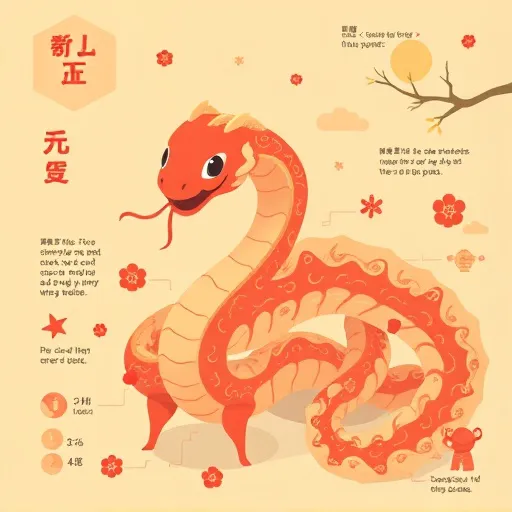
Snake in Chinese zod
Why Snakes Carry So Much Symbolic Weight in Chinese Culture
Okay, let's set the scene first. In Chinese culture, the snake has held serious symbolic power for thousands of years—we're talking Chinese zodiac territory here. It's one of the twelve animals in the zodiac cycle, and folks born during snake years are traditionally viewed as wise, intuitive, and quietly magnetic. Unlike plenty of Western cultures where snakes basically get a bad rap across the board, Chinese tradition treats them as fascinatingly ambiguous creatures—capable of both good and harm, but not inherently evil. That nuance is exactly why what does dreaming of snakes mean in chinese culture is such a layered question.
This duality matters big time when you're decoding a dream. The snake in Chinese symbolism connects to transformation, hidden knowledge, fertility, wealth, and protection. It's also tied to the whole idea of shedding—releasing the old to welcome the new. So when a snake slithers into your dream, the first thing a traditional interpreter would ask isn't "what's threatening you?" but rather "what's shifting in your life?" That reframing is central to understanding what does dreaming of snakes mean in chinese culture.
The Snake as a Zodiac Animal and Its Astrological Significance
Being part of the Chinese zodiac gives snakes a cultural legitimacy that few other animals enjoy. In Chinese astrology, the snake is linked to the earth element, yin energy, and the hours between 9 and 11 a.m. People regularly dig into zodiac-based dream interpretations on content platforms and community forums, and in 2026 this curiosity shows zero signs of fading. If you dream of a snake and you happen to be born in a snake year, many traditional interpreters would say the dream carries extra weight—possibly a message about your own nature or a nudge to lean into your intuition more. This personal layer adds real depth to what does dreaming of snakes mean in chinese culture.
Core Interpretations: Wealth, Transformation, Protection, and Caution
Traditional Chinese dream interpretation—often discussed alongside classic texts and folk wisdom—generally assigns several possible meanings to snake dreams. The specific meaning hinges heavily on context: the snake's color, its behavior, whether it bites, whether it's dead or alive, and where the dream takes place. Let's break down the most common readings so you can see how what does dreaming of snakes mean in chinese culture plays out in practice.
Wealth and good fortune might surprise you. In Chinese culture, dreaming of a snake is frequently considered a sign of coming wealth. The snake's association with hidden treasure and its ability to move silently through the earth ties it to money and prosperity. Some traditional interpretations even suggest that a snake appearing in your home or coiled near your bed predicts financial gain. If you've been dreaming of snakes lately, keep an eye on new opportunities—career offers, side projects, or investments—that surface in waking life. That's one of the most encouraging answers to what does dreaming of snakes mean in chinese culture.
Transformation and personal growth is the next big theme. The snake's ability to shed its skin makes it a natural symbol of renewal. Chinese dream interpreters often link snake dreams to periods of personal transformation—a career change, the end of a relationship, or a shift in self-perception. This reading resonates strongly with modern psychology, which views snake dreams as a reflection of inner change. A growing number of wellness-focused platforms and forums in 2026 are blending traditional Chinese interpretations with contemporary psychological frameworks, and this shedding meaning is one of the most frequently discussed angles on what does dreaming of snakes mean in chinese culture.
Protection and guidance shows up in several regional traditions where snakes are seen as protective spirits—guardians of the household or messengers from ancestors. Dreaming of a calm, non-threatening snake may be interpreted as a sign you're being watched over, or that you should trust your instincts. It's a comforting interpretation many people find reassuring, especially during uncertain times. On the flip side, hidden threats and caution deserve a mention too. While Chinese culture doesn't treat snakes as inherently evil, some interpretations do warn of hidden dangers. A snake that bites you, chases you, or appears aggressive might signal that someone around you isn't being straightforward—or that you're ignoring a problem you should address. Traditional interpreters frame this as a call to be more observant rather than a prophecy of doom. It's less "you're cursed" and more "open your eyes."
Context Matters: How Specific Snake Details Change the Dream Meaning
One thing that makes Chinese dream interpretation so nuanced is its attention to detail. The same snake can mean very different things depending on how it appears in your dream. Here's a quick breakdown of common scenarios that shape what does dreaming of snakes mean in chinese culture:
- A snake biting you: Often read as a warning about a hidden conflict or a situation about to escalate. Some traditions also link it to health—a reminder to take care of yourself.
- A dead snake: Generally a positive sign. It can mean you've overcome an obstacle, resolved a conflict, or that a difficult period is ending.
- A snake in your bed or home: Frequently associated with family matters, intimacy, or financial concerns. Some interpretations see it as a sign of a guest or new person entering your life.
- A white snake: Considered especially auspicious. White snakes are linked to purity, wisdom, and sometimes romantic fortune.
- A black snake: Often connected to mystery, the unknown, or hidden knowledge. It can also signal you need to be more cautious.
- A green snake: Associated with growth, vitality, and nature. Some interpreters link it to new beginnings.
- Multiple snakes: Can represent social dynamics—lots of people in your life, gossip, or a busy period ahead.
- A snake shedding its skin: A classic symbol of transformation and letting go. Very common during major life transitions.
You'll often see discussions about these specific scenarios on content-sharing platforms and community forums, where people compare notes on their snake dreams. What's striking is how consistently traditional interpretations align with what modern dream analysts say: context is everything when unpacking what does dreaming of snakes mean in chinese culture.
Dreaming of Snakes and the Five Elements in Chinese Philosophy
For a deeper layer, traditional Chinese philosophy connects dream symbols to the five elements—wood, fire, earth, metal, and water. Snakes are typically associated with the earth element, but their meaning can shift depending on the dream's environment. A snake in water might link to emotional matters, while a snake in a forest could connect to growth and creativity. Some practitioners use this elemental framework for more personalized interpretations, and it's been getting fresh attention in 2026 as more people explore holistic approaches to dream analysis. This elemental lens adds another dimension to what does dreaming of snakes mean in chinese culture.
Snake Dreams and Relationships: Romantic, Family, and Professional Dynamics
Many people search snake dream meanings because they're wondering about a relationship—romantic, familial, or professional. In Chinese culture, snake dreams are often interpreted through a relational lens. A snake coiling around something might suggest an entanglement in a relationship. A snake that appears peaceful could indicate harmony. A snake that strikes out of nowhere might point to a simmering conflict that needs addressing. Traditional interpreters often advise reflecting on your closest relationships after a vivid snake dream, since the snake may represent a person, a dynamic, or a hidden emotion you haven't fully acknowledged. Industry professionals in both traditional interpretation and modern psychology tend to agree on one thing: these dreams are rarely literal. As one seasoned practitioner put it, "The snake is a mirror, not a monster."
The Snake, Chinese New Year, and 2026 Timing
Here's something worth knowing about timing. The Chinese zodiac runs on a twelve-year cycle, and the Year of the Snake comes around periodically. In 2025, the zodiac year was the Snake, which means many people in 2026 are still reflecting on that year's themes—transformation, intuition, and quiet progress. Dream interpretation content around snake symbolism tends to spike during and after Snake years, and that momentum has carried into 2026. Many wellness platforms and self-improvement communities are still actively discussing snake symbolism, which makes this an ideal time to explore what does dreaming of snakes mean in chinese culture for your own situation.
Practical Tips and Common Misconceptions About Snake Dreams
So what should you actually do after a snake dream? Write it down the moment you wake up—details fade fast, and the specifics like color, size, behavior, and setting are what give the dream its meaning. Check your emotional state: were you afraid, calm, curious, or confused? Your emotional response is often the clearest clue. Look for waking-life parallels—is something in your life shedding or changing? Are you dealing with someone whose intentions you're unsure about? And don't panic: in Chinese culture, snake dreams are as often positive as negative, with wealth, transformation, and protection all being common readings. One big misconception is that a snake dream is always a bad omen—in Chinese tradition, that's simply not true. Another is that the meaning is universal; it isn't, because the snake's color, behavior, and setting all matter, along with your own cultural background and personal associations. And a third: you don't need a professional interpreter to understand the dream—most traditional interpretations are accessible and grounded in common-sense reflection.
So, what does dreaming of snakes mean in chinese culture? The short answer: it depends, but it's rarely as scary as it sounds. Chinese tradition treats the snake as a complex symbol tied to wealth, transformation, protection, and hidden knowledge. Whether you lean toward traditional interpretations or modern psychology, a snake dream is best approached as an invitation to reflect. What's changing in your life? What are you not seeing clearly? What might you need to let go of? Those questions—more than any fixed answer—are where the real value lies. And if you're one of the many people exploring what does dreaming of snakes mean in chinese culture in 2026, you're in good company: snake dreams remain one of the most searched and discussed dream symbols across popular platforms and cultural forums, and for good reason. The snake, after all, has been a mirror for human transformation for thousands of years—and it's not done reflecting yet.