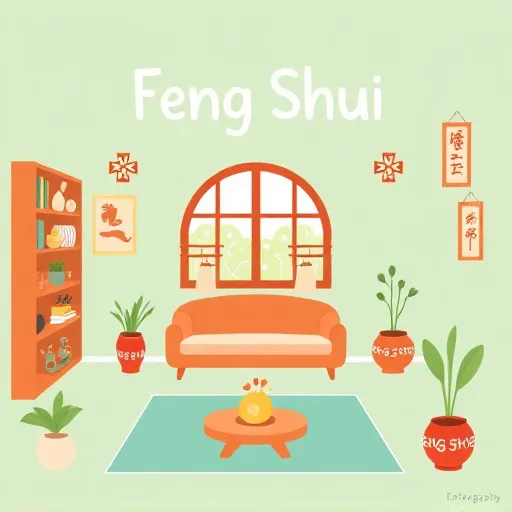
The art of feng shui
What Is Feng Shui, Really?
So what is feng shui, really? At its heart, it's the art of placement—no magic tricks, no incense required. The term translates roughly to "wind and water," and it's built on a simple but powerful idea: your surroundings shape your mood, your health, your relationships, and even your productivity. Think of it as the original environmental psychology, only with a few thousand years of tradition behind it. Any solid feng shui home guide starts right here, with that core insight.
The practice centers on chi (or qi), the life force energy that moves through spaces. When chi flows smoothly, you feel balanced and clear-headed. When it gets stuck or rushes too quickly, you feel off-kilter—and you probably can't put your finger on why. The goal of any good feng shui home guide is to help you notice that difference and adjust accordingly. Once you start paying attention, you'll be surprised how often a room's energy flow matches how you feel in it.
You'll also hear about the bagua map—a grid that overlays your floor plan and connects different areas of your home to specific life themes like career, relationships, wealth, and health. It's a handy tool for understanding which zones carry which kind of energy, and it's a staple in just about every feng shui home guide you'll come across. Think of it as a cheat sheet for your floor plan.
The Foundation: Declutter First, Decorate Later
Before you move a single piece of furniture, here's the advice nearly every feng shui consultant will give you: declutter. Clutter is the enemy of good energy flow. It creates stagnant chi, makes spaces feel heavy, and—let's be honest—stresses you out every time you look at it. No feng shui home guide worth its salt skips this step.
Go room by room and ask yourself:
- Does this item bring me joy or serve a clear purpose?
- Have I used it in the past year?
- Does it belong in this room?
If the answer is no across the board, it's time to let it go. Donate, recycle, or store it. You'll be amazed at how much lighter your home—and your mind—feels once you've cleared the excess. This one step alone can transform a space faster than any feng shui home guide tip out there.
The Front Door: Your Home's Mouth of Chi
In feng shui, the front door is often called the "mouth of chi." It's where energy enters your home, which is why it gets so much attention in any feng shui home guide. A welcoming, well-maintained entrance invites positive energy in; a cluttered or dim one blocks it. Here's how to make your entrance work for you:
- Clear the path: No shoes, boxes, or bikes blocking the way.
- Light it up: A bright doorway helps chi flow smoothly. Add a warm-toned bulb or two.
- Make it inviting: A healthy plant, a nice doormat, or a wreath can transform the vibe.
- Fix what's broken: Squeaky hinges, dead lightbulbs, and faulty locks signal neglect. Repair them promptly.
If your front door opens directly to a wall or staircase, consider adding a small table with a plant or a piece of art to slow the energy down. Small moves like this are the bread and butter of any practical feng shui home guide.
The Command Position: Furniture Placement That Works
Here's one of the most practical feng shui principles you can apply anywhere: the command position. It means placing your bed or desk so that you can see the door from where you sit or sleep, without being directly in line with it. Why? Because instinctively, you feel safer when you can see who's entering a room. That sense of security translates to better sleep, sharper focus, and lower stress. It's a feng shui home guide staple for a reason—it just works.
Try this in your bedroom and home office first. You'll notice the difference in how relaxed and focused you feel almost immediately.
Room-by-Room Essentials: Bedroom, Living Room, Kitchen, and Office
The bedroom is where you recharge, so it deserves extra attention. Place the bed against a solid wall with space on both sides, and skip the mirror facing your bed—it's thought to bounce energy around and disrupt sleep. Choose soft, calming colors like warm neutrals or muted blues, and keep electronics away from the bedside.
The living room is the heart of the home. Arrange seating in a conversational layout so furniture faces inward and encourages connection. Add feng shui-friendly plants like pothos, snake plants, or a rubber tree—they bring life energy indoors and make spaces feel instantly warmer.
The kitchen represents nourishment and abundance. Keep countertops clear, fix leaky faucets right away (they symbolize draining resources), and balance the five elements: wood, fire, earth, metal, and water.
With more people working from home than ever in 2026, home office feng shui has become a hot topic. Position your desk in the command position, keep your workspace clutter-free, and add something green to boost productivity. If you face a wall, hang art or a vision board so your energy doesn't feel boxed in.
The Five Elements and Color: Bringing Balance Indoors
Feng shui organizes the world into five elements, and a balanced home usually contains a mix of all of them: wood (plants, wooden furniture, natural textures) for growth and vitality; fire (candles, warm lighting, bold colors) for passion; earth (ceramics, stones, neutral tones) for stability; metal (metal furniture, silver accents, round shapes) for clarity; and water (fountains, mirrors, deep blues) for flow and wisdom. Walk through your home and notice which elements dominate and which are missing. A simple swap—like adding a plant to a tech-heavy room—can restore balance fast.
Color has a huge impact too. In any feng shui home guide, colors usually fall into three camps: yin colors (soft blues, greens, grays) for calming bedrooms, yang colors (reds, oranges, yellows) for energizing living areas, and neutrals (beige, cream, white) as a base palette. Lighting matters just as much—open those curtains for natural light, and avoid harsh fluorescent bulbs that feel draining.
Common Mistakes to Avoid and Final Thoughts
Even well-intentioned homes can have a few feng shui blunders. Watch out for beds under windows or beams, mirrors facing the front door, cluttered entryways, too much furniture, and dead plants. A good feng shui home guide will flag these early so you can fix them fast.
Here's the thing: feng shui isn't about following a rigid rulebook—it's about creating a home that feels good to live in. Use this feng shui home guide as a starting point, then trust your instincts. Start small. Clear one counter, move one piece of furniture, add one plant. Small shifts create big changes in how your home feels—and how you feel in it. That's the real magic of feng shui: not perfection, but a home that supports the life you actually want to live.